

Thank you to everyone who has participated in our climate justice project so far and we have great news on moving forward on our policy priorities!
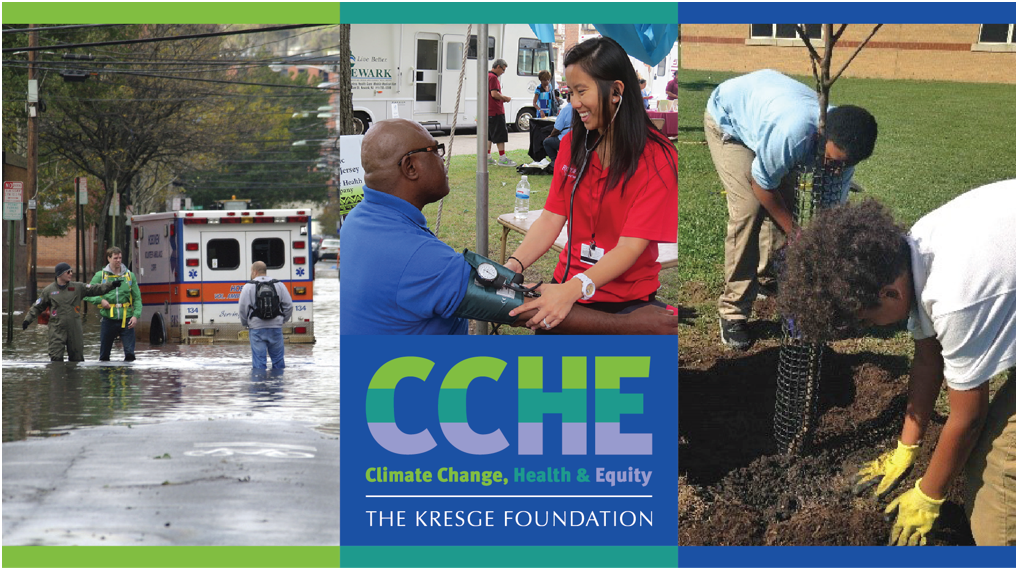
The Kresge Foundation has awarded the Public Health Institute of Western Massachusetts a $600,000 grant for the Live Well Springfield Coalition to advance policy solutions aimed at combating climate change and equitably reducing health risks in low-income communities. Public Health Institute of Western Massachusetts (PHIWM) is one of 14 community-based nonprofits nationwide receiving grant funding as part of The Kresge Foundation’s Climate Change, Health and Equity initiative.
With this funding,PHIWM will work with Live Well Springfield coalition members including the Resident Advisory Board, Arise for Social Justice, Way Finders, Neighbor to Neighbor,Pioneer Valley Planning Commission, the City of Springfield and partners from other sectors to develop multi-year work plans that address community-defined health and climate priorities.
The Live Well Springfield Climate Justice Initiative will address climate change and health equity policy issues in Springfield with funding from the Kresge Foundation over the next three years. The Coalition is excited to continue the climate justice work started by grassroots advocacy groups and community residents around the creation of the Strong, Healthy, and Just: Climate Action Resilience Plan (CARP).
In 2019 the Coalition was awarded a planning grant by Kresge to identify one to two policy ideas that could significantly impact greenhouse gas emissions, health, equity, and racism. The coalition partners- Live Well Springfield, Arise for Social Justice, Way Finders, Neighbor to Neighbor, Public Health Institute of Western Mass, and the Pioneer Valley Planning Commission– worked closely with stakeholders, Resident Advocates, and residents to narrow down to two policies out 156 in the CARP. The partners created a variety of community engagement projects like community conversation, surveys, and workshops to gain community input and feedback.
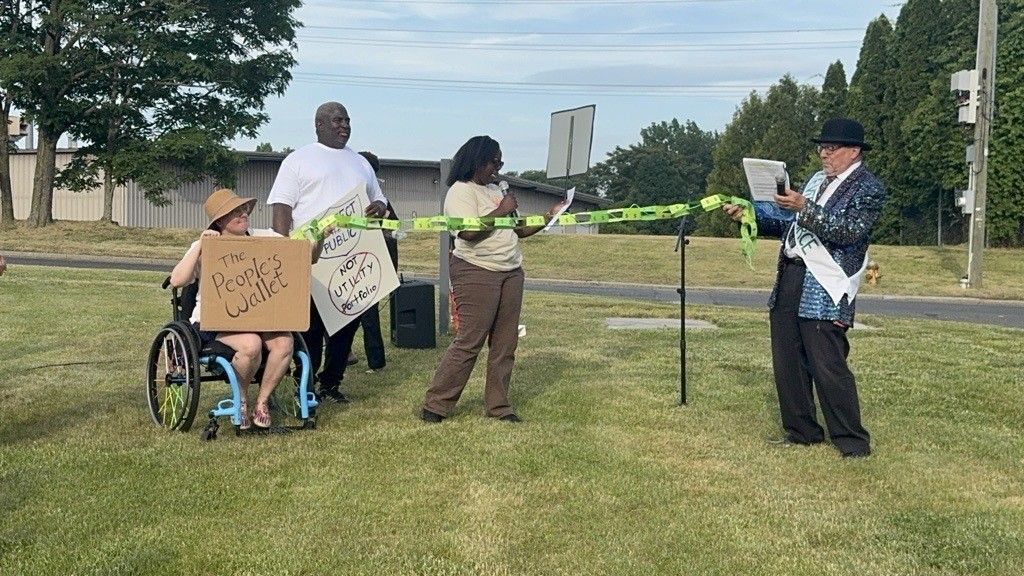
The Coalition is excited for this next chapter to address the systemic issues of climate change. To show appreciation for the community engagement, they created a thank you video to Springfield residents and climate justice allies who helped the Coalition narrow down to two policies. Going forward, they will be advocating for community choice energy and a race and health equity impact assessment requirement.
SHARE