Building Partnerships to Adapt to Flooding in the Connecticut River Watershed
Samantha Hamilton • February 26, 2026

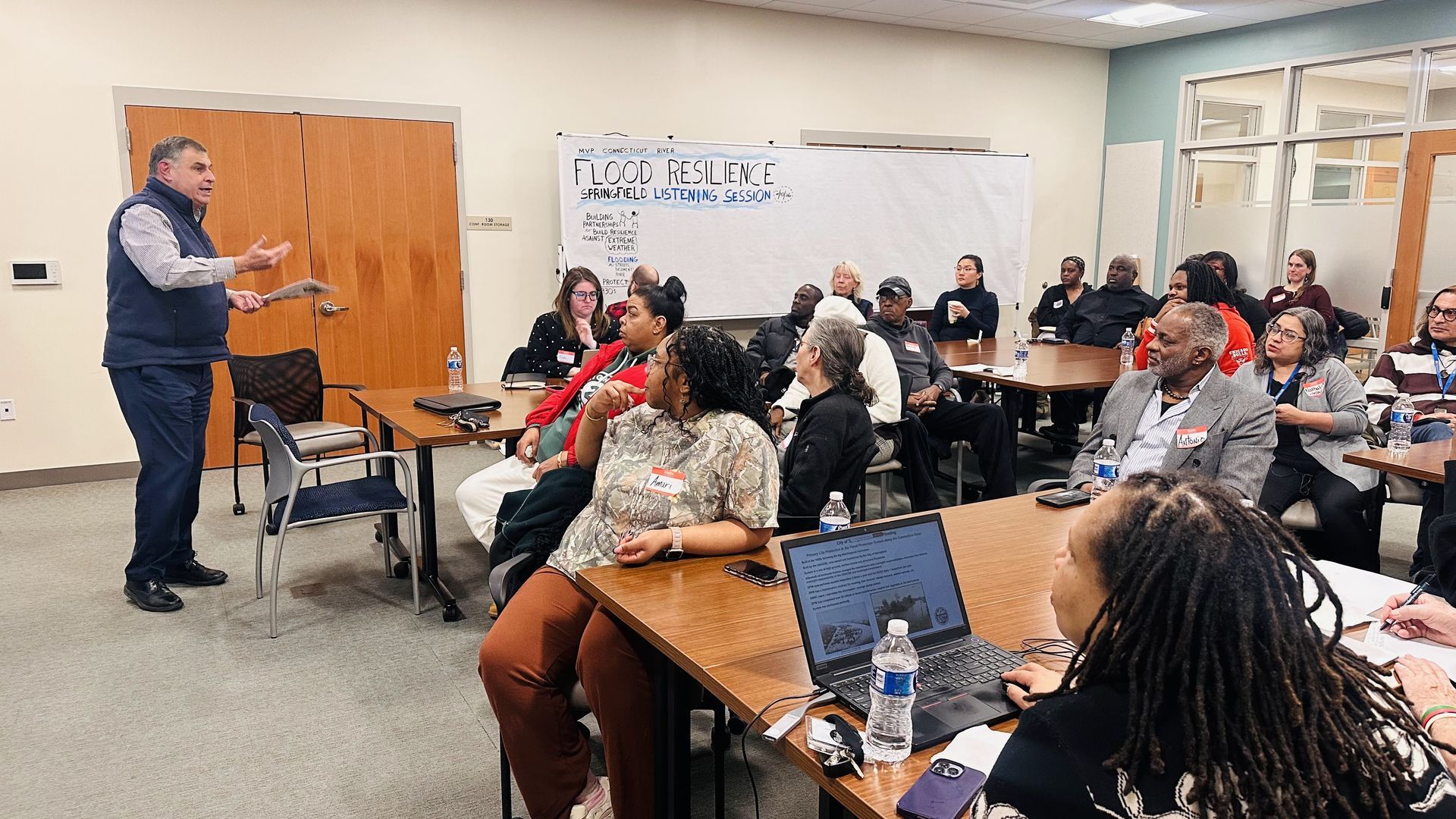
This month, Live Well Springfield (LWS) and the Pioneer Valley Planning Commission (PVPC) partnered with the City of Springfield to host a listening session on inland flooding. Inland flooding happens when rain overwhelms local drainage systems, for example, when basements flood or when streets and sidewalks turn into rivers and ponds during heavy rain.


Participants heard directly from Chris Cignoli, Director of the Springfield Department of Public Works (DPW), about the city's history and infrastructure related to waterways, piping, and flood prevention. Residents gained a deeper understanding of how city systems respond to flooding, what the DPW is responsible for, and the budget constraints the department faces. Chris encouraged residents to contact the city using the local 311 line to report potential flood risks or flooding-related issues, which creates a formal service request that must be investigated.


The workshop centered resident voices and explored how flooding from heavy rainfall and the Connecticut River is impacting daily life across Springfield. Residents shared firsthand accounts of flooded basements, eroding yards, blocked storm drains, and chronic street flooding, revealing how widespread and interconnected these challenges are across neighborhoods.


Working in small groups, participants mapped the areas in their neighborhoods most affected by flooding, connecting personal experiences with broader patterns of risk across the city.

The information shared by residents will help inform Springfield's upcoming 10-year infrastructure plan, as well as regional flood risk reports being developed by PVPC and FRCOG.

By Samantha Hamilton February 24, 2026
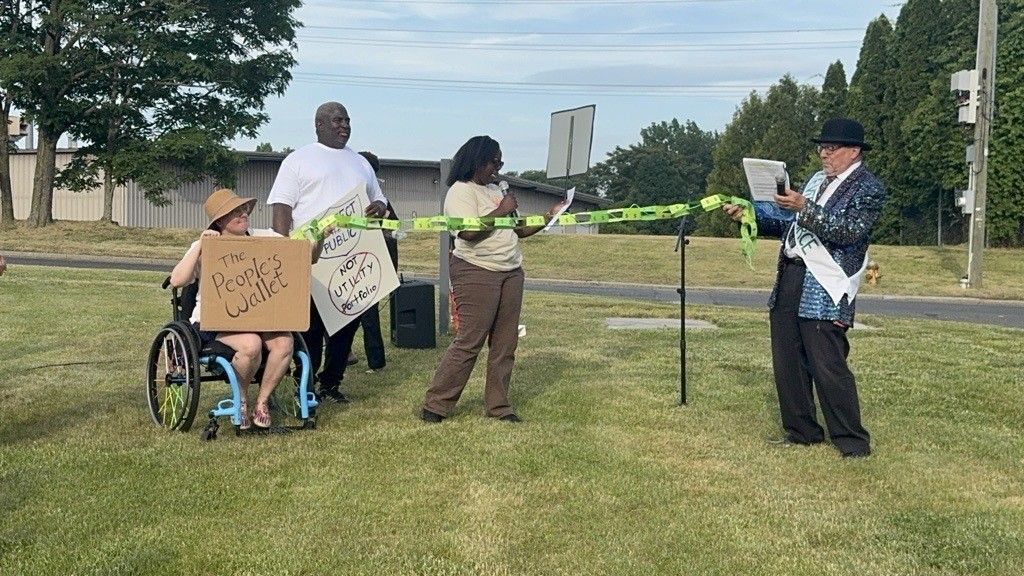
For more than 15 years, SCJC and Arise for Social Justice have fought alongside East Springfield residents and community allies to stop the construction of a toxic biomass power plant in their neighborhood. The fight has included organizing residents, raising public awareness about the impacts of biomass burning, challenging permits, and pursuing multiple rounds of legal appeals at both the municipal and state levels. The repeated resurgence of the project despite community opposition has earned it the nickname "The Zombie Plant."  On Wednesday, February 4th, SCJC and other community partners attended the Springfield Zoning Board of Appeals meeting, where the board reinstated the building permits for the wood-burning power plant proposed for Page Boulevard in the East Springfield neighborhood. The Springfield Zoning Board was compelled by the State Land Court to reinstate the building permits. SCJC and Arise are not backing down. Springfield residents deserve clean air and a future that prioritizes renewable energy. SCJC, Arise, and other community allies will continue the fight by challenging state-level clean energy incentives that Palmer Renewable Energy plans to rely on to move the project forward. To join East Springfield residents and SCJC in the fight, contact Susan Theberge of SCJC at susteheberge@icloud.com to get involved. "The people of Springfield have the right to clean air. We do not want a polluting biomass plant increasing the city's already high rates of respiratory illness and contributing to the escalating climate emergency. The longstanding fight against the biomass plant is a clear indicator of the community's view on this issue." – Teniel Rhiney, Arise for Social Justice, Live Well Partner "We're going to stay and stand here together and fight to the end." – Charlie Holmes, SCJC, Live Well Partner
Show More

SHARE