SCJC Partners Continue to Lead the Fight Against Biomass Plant
Samantha Hamilton • February 24, 2026

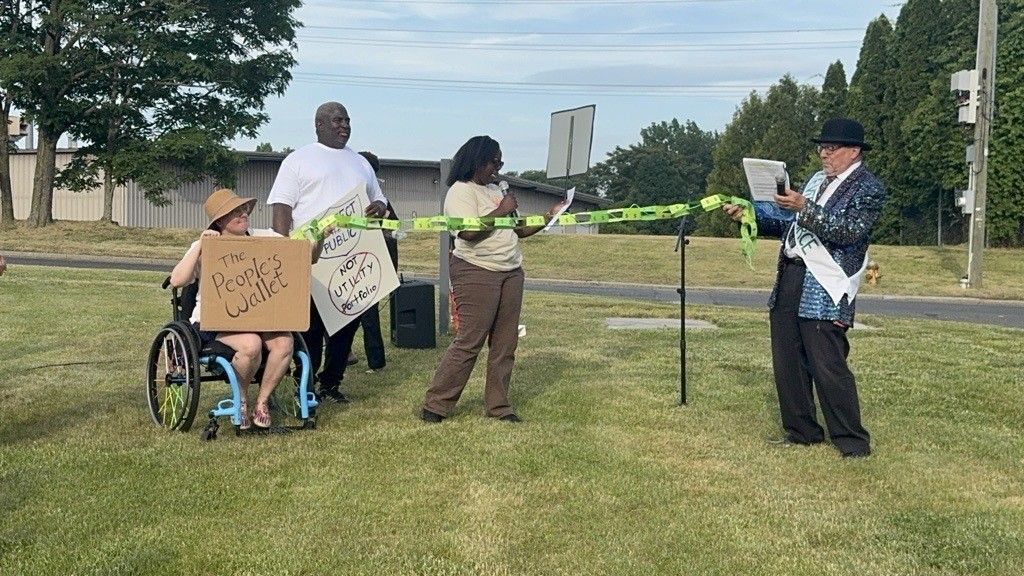
For more than 15 years, SCJC and Arise for Social Justice have fought alongside East Springfield residents and community allies to stop the construction of a toxic biomass power plant in their neighborhood. The fight has included organizing residents, raising public awareness about the impacts of biomass burning, challenging permits, and pursuing multiple rounds of legal appeals at both the municipal and state levels. The repeated resurgence of the project despite community opposition has earned it the nickname "The Zombie Plant."


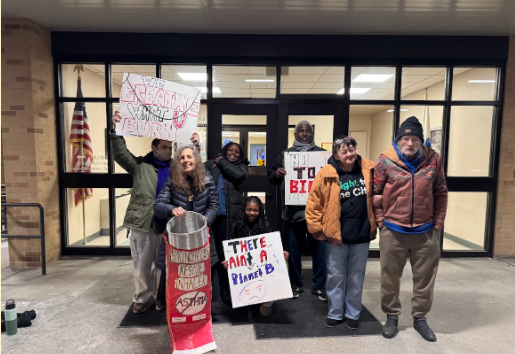
On Wednesday, February 4th, SCJC and other community partners attended the Springfield Zoning Board of Appeals meeting, where the board reinstated the building permits for the wood-burning power plant proposed for Page Boulevard in the East Springfield neighborhood. The Springfield Zoning Board was compelled by the State Land Court to reinstate the building permits.


SCJC and Arise are not backing down. Springfield residents deserve clean air and a future that prioritizes renewable energy. SCJC, Arise, and other community allies will continue the fight by challenging state-level clean energy incentives that Palmer Renewable Energy plans to rely on to move the project forward.


To join East Springfield residents and SCJC in the fight, contact Susan Theberge of SCJC at susteheberge@icloud.com to get involved.


"The people of Springfield have the right to clean air. We do not want a polluting biomass plant increasing the city's already high rates of respiratory illness and contributing to the escalating climate emergency. The longstanding fight against the biomass plant is a clear indicator of the community's view on this issue." – Teniel Rhiney, Arise for Social Justice, Live Well Partner


"We're going to stay and stand here together and fight to the end." – Charlie Holmes, SCJC, Live Well Partner

December 5, 2025
Springfield, MA – The Kresge Foundation has awarded the Public Health Institute of Western Massachusetts , as convener of the Live Well Springfield coalition, a grant of $225,000 per year for three years to address climate change and protect people’s health in communities disproportionately affected by extreme heat, flooding, air and water pollution, and chronic and infectious disease. The Public Health Institute of Western Massachusetts is one of 32 organizations nationwide receiving grant funding as part of The Kresge Foundation’s Climate Change, Health and Equity initiative. Live Well Springfield partners on the grant include Arise for Social Justice, Pioneer Valley Planning Commission, Way Finders, and Springfield Climate Justice Coalition. With this funding, the Live Well Springfield Climate Change, Health, and Equity Committee (CCHE) will expand its efforts to build a healthier, more resilient Springfield. The Live Well Springfield CCHE Committee will: Work with the City of Springfield to build awareness and adoption of the Community Choice Power Supply Program, which uses collective buying power to secure stable, affordable electricity from cleaner, renewable sources. Live Well Springfield successfully advocated for the City to adopt this program, with support from a previous Kresge grant. Help update the city’s Climate Action and Resilience Plan, ensuring it reflects current challenges and community needs. Explore housing development policies that protect residents from extreme heat. Continue to advance statewide advocacy against polluting biomass facilities. Host community workshops on climate resilience. “Kresge’s continued investment in Springfield is vital to sustaining our momentum in advancing climate justice. We feel proud and empowered to stand tall among the many major cities that were also selected for this honor,” said Samantha Hamilton, Director of Coalition Building and Community Engagement at the Public Health Institute of Western Massachusetts . “Collaboration is critical to address the impacts of climate change,” said Jessica Collins, Executive Director of the Public Health Institute of Western Massachusetts. “These Kresge funds will help us advance strategies originally planned with the city and other partners before the EPA unexpectedly terminated the $20 million Community Change grant. We are so grateful that private philanthropy continues to step up and support local and regional climate mitigation work.” “The human health impacts of climate change are profound, and while climate change affects us all, it hits some communities harder than others. The pollution that creates dangerous heat waves and severe storms causes the most harm in communities already experiencing persistent health inequities, like lack of access to safe housing and quality health care, as well as chronic illnesses and respiratory disease, said Shamar Bibbins, Kresge Environment Program managing director . “Equitable solutions must be driven by the communities most affected, and doing so in partnership with trusted health practitioners and institutions can amplify local innovations and build broader momentum for change.” “Long-term change in cities requires strong and sustained cross-sector partnerships. Working together, we ensure that all of us, no matter who we are or where we live, have the opportunity to be healthy and to thrive. Climate action is fundamentally a public health imperative—offering transformative opportunities to reduce mental health burdens, chronic diseases, and infectious disease spread while advancing health equity for all," said Monica Valdes Lupi, Kresge Health Program managing director . For more information on Kresge's Climate Change, Health & Equity initiative, click here . ABOUT THE PUBLIC HEALTH INSTITUTE OF WESTERN MASSACHUSETTS The Public Health Institute of Western Massachusetts supports communities in their efforts to become measurably healthier and more equitable through community engagement, convening collaborative partnerships, communications, data analysis, research and evaluation, and policy advocacy. We are committed to continuous learning, fostering collaboration, and amplifying the voices of those we serve. For more information, visit PublicHealthWM.org ###
Show More

SHARE